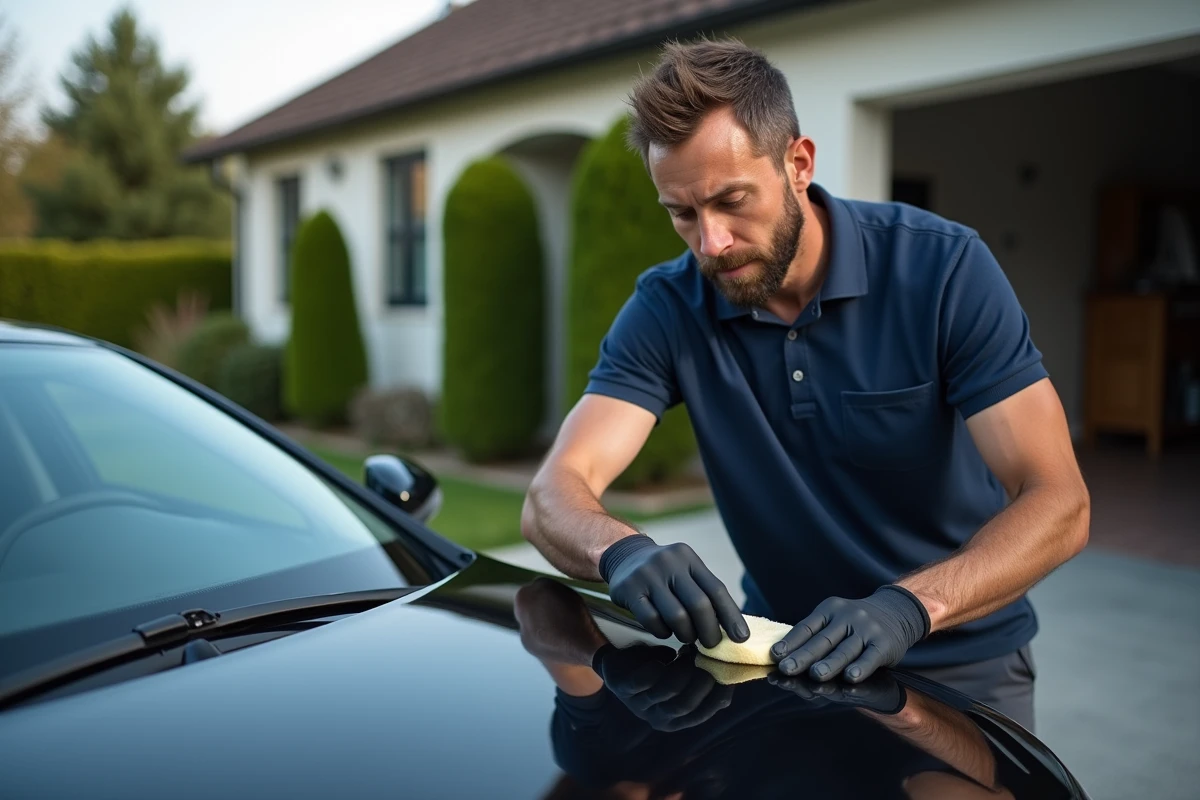
A dull body after a few months, seats that turn gray for no apparent reason, micro-scratches that appear despite regular washes. These situations rarely stem from the quality of the vehicle. They almost always result from poorly calibrated maintenance gestures or absent protections. Maintaining and enhancing the appearance of your car relies on a few precise technical principles, often overlooked in traditional guides.
Anti-rust treatment and seasonal body protection
Have you ever noticed corrosion spots on a recent vehicle parked in the city? In regions where de-icing salt is used for several months a year, rust is no longer an issue reserved for old cars. Anti-rust treatment is now considered a routine maintenance supplement, just like waxing or an oil change.
Applying an anti-rust treatment at the end of summer or early autumn protects the body before the critical period. This window allows the product to polymerize properly on a dry surface, before the first salt splashes. Waiting until spring means intervening after the damage.
To go further in the aesthetic preparation of your vehicle, specialized resources like labelleauto.fr help identify the products and techniques suited to each type of bodywork.
Beyond anti-rust, paint protection involves a barrier layer. Two options dominate the market: natural wax (carnauba) and ceramic treatment. Wax provides a warm and deep finish but lasts only a few weeks. Ceramic treatment protects the paint for several months and makes cleaning easier by rendering the surface hydrophobic. The choice depends on your washing frequency and budget.
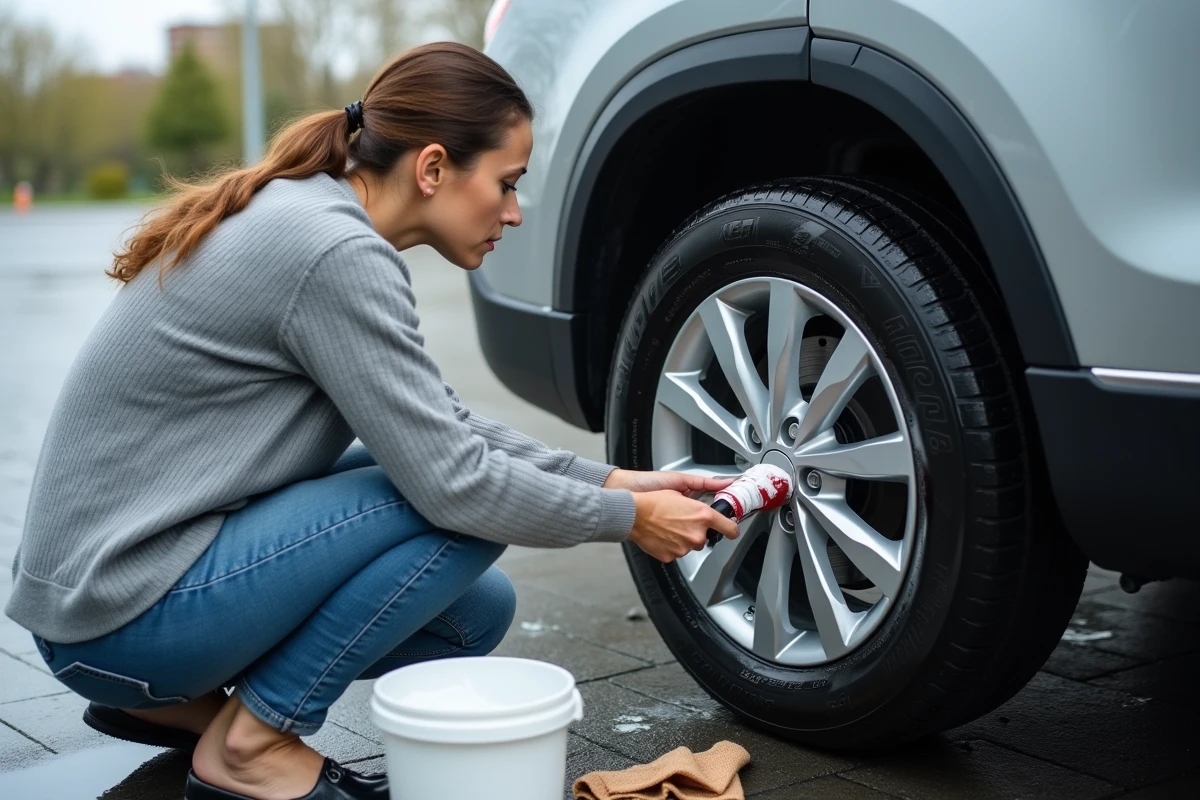
Scratch-free car wash: method and common mistakes
The majority of visible scratches on a body do not come from impacts. They appear during the wash itself. A dirty mitt, a single bucket, a dry wipe: each careless gesture leaves a mark.
The pre-wash that changes everything
Before touching the body, a thorough rinse with clear water removes abrasive particles (sand, dust, road residues). Then, applying a foaming shampoo with a foam cannon or sprayer encapsulates the remaining dirt. Never rub a dry or merely damp body.
Washing and drying technique
The principle is simple: always work from top to bottom, as the lower part accumulates the most dirt. Use a dedicated microfiber mitt, rinsed regularly in a separate bucket of clean water from the shampoo bucket. This so-called “two-bucket” method prevents reapplying particles onto the paint.
For drying, forget the classic chamois leather. A waffle-weave microfiber towel absorbs water without creating friction. Pat rather than rub. This detail makes the difference between a clear finish and a finish clouded with micro-scratches.
- Rinse the vehicle with plenty of water before any contact with a mitt or sponge
- Use two distinct buckets: one for shampoo, one to rinse the mitt
- Dry with a waffle-weave microfiber by patting, never by rubbing in a circular motion
- Wash in the shade or on overcast days to avoid premature drying of the product
Polishing and paint correction: when and how to intervene
Polishing is not meant to “make it shine.” Its technical role is to remove a thin layer of clear coat to eliminate surface defects: micro-scratches, hologram traces left by poor buffing, light oxidation.
Before polishing, run your hand over the body after washing. If you feel roughness (tar deposits, industrial fallout, ferrous contamination), a decontamination with a clay bar is necessary before polishing. Polishing a contaminated surface means rubbing abrasive particles onto the clear coat.
Polishing is done with a machine (preferably an orbital polisher) with a pad suited to the hardness of the clear coat. A cutting pad for marked defects, a finishing pad for a mirror-like finish. Each vehicle has a limited clear coat thickness. Poorly controlled polishing can irreversibly pierce the clear coat. If you are a beginner, start with the least abrasive product and test on a less visible area.

Interior and cabin maintenance: beyond the vacuum
Automotive aesthetics do not stop at the body. The cabin ages faster than one might think, especially the frequently touched surfaces: steering wheel, gear knob, center armrest.
For fabric seats, a specific foam cleaner penetrates the fibers without saturating them with water. On leather or synthetic leather, a neutral pH cleaner followed by a nourishing balm prevents drying and cracking. Conditioning the leather twice a year is enough to preserve its suppleness.
The plastics on the dashboard deserve a matte product, not a silicone polish that gives a greasy appearance and attracts dust. Apply the product to the microfiber cloth, never directly on the surface, to control the amount deposited.
- Vacuum the mats and seat rails, where gravel and debris accumulate
- Clean the vents with a soft brush to dislodge embedded dust
- Treat door seals with a silicone protector to prevent them from sticking or cracking
Maintenance of electric vehicles: what changes for appearance
Electric cars share the same aesthetic requirements as thermal vehicles, with a nuance often forgotten. Their air conditioning and battery thermal management system operates continuously, even when stationary. In warm climates, the air vents and air intakes get dirty more quickly.
Manufacturers now recommend spaced but systematic revisions, about every two years. Taking advantage of this appointment to plan a polishing, ceramic protection, or interior renovation allows for combining mechanical and aesthetic maintenance without multiplying trips.
The appearance of a vehicle relies on the regularity of care, not on its intensity. A proper wash every two weeks, protection renewed according to the season, a thoroughly cleaned cabin two to three times a year: these simple gestures maintain the vehicle’s value and the pleasure of driving it.