When helping a parent get back on their feet after a tough night or checking remotely if they have taken their medication, the question is no longer theoretical. Health and wellness solutions for seniors are judged by a simple criterion: does it concretely change the day of the person involved, and that of their surroundings.
Connected health devices for seniors: beyond the gadget bracelet
We often think of fitness trackers as sports accessories. For an elderly person, the same object serves a very different role. A health watch with fall detection can send an alert to a loved one or a teleassistance center without the senior needing to press a button. Some models also continuously monitor heart rate and sleep quality.
Connected pill dispensers represent another concrete lever. They emit a sound or light reminder at each dose and notify a caregiver in case of forgetfulness. For medication adherence among individuals managing multiple treatments, it serves as a daily safety net.
There are now solutions that analyze parameters finer than simple physical activity. Sensors installed at home detect changes in behavior (time spent in bed, frequency of refrigerator openings, unusual movements). These data, processed by artificial intelligence, allow for early detection of malnutrition or decompensation before it leads to emergencies. Feedback varies depending on the installations, but the principle remains the same: transform weak signals into actionable alerts.
Several home care offerings already integrate these devices, and specialized platforms compile products and services tailored for seniors. You can also find a selection of health and wellness references about the Pharmavia site, which brings together ranges designed for this audience.
Adapted physical activities: what really works after 70
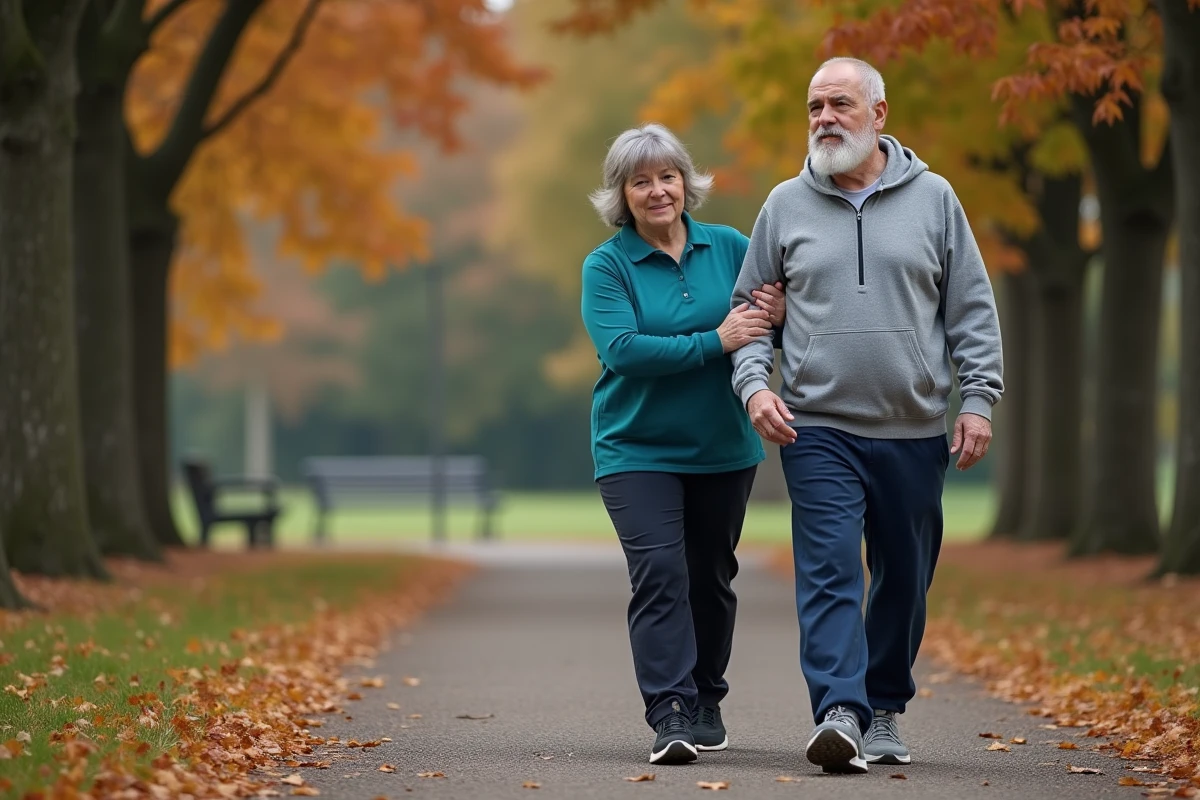
The doctor says to move, and so does the family. The challenge is to find an activity that is both regular, safe, and motivating. Walking remains the foundation, but it is not enough to prevent muscle loss that accelerates dependency.
Gentle gym and light muscle strengthening are the two activities most frequently mentioned in geriatric prevention recommendations. A few targeted exercises on balance (standing on one foot, walking heel-to-toe) significantly reduce the risk of falls.
- Tai chi or qi gong: focuses on balance and proprioception, can be done seated if necessary, often offered in group workshops by care organizations
- Senior aquagym: the aquatic environment reduces joint constraints and allows for cardio effort without pain, suitable for people suffering from arthritis
- Group Nordic walking: combines physical activity and social connection, with supervision that secures the routes
Clinics and health establishments now organize health and wellness workshops specifically for seniors, combining physical activity, nutritional assessments, and screenings. This group format avoids multiple appointments and creates a group dynamic that helps maintain consistency over time.
Adjusting intensity without infantilizing
A common pitfall is offering sessions that are too easy, which bores the individual. The right balance is a noticeable effort but without risk. A professional trained in adapted physical activity (APA) knows how to dose this better than a generic app.
Mental health of seniors: the underestimated role of routine and connection
Social isolation is not just a problem of loneliness: it accelerates cognitive decline and exacerbates anxiety or depressive disorders. Maintaining a structured lifestyle is one of the most accessible and least costly solutions.
In practical terms, this involves fixed points in the week. A regular phone call, a shared activity on Wednesdays, a meal with a neighbor on Fridays. Regularity matters more than the quantity of contacts.
Meal delivery services, often perceived as purely nutritional, also play a social role. The daily visit from the delivery person constitutes human contact and a point of vigilance. If the person does not respond or seems disoriented, an alert is raised.
Cognitive stimulation in daily life
Crosswords and sudoku are not the only options. Memory workshops led by professionals work on dual-task exercises (talking while walking, memorizing a list while doing a gesture). This type of stimulation has a more direct effect on autonomy than solitary games.
- Group reading aloud: engages working memory, attention, and socialization simultaneously
- Therapeutic gardening: a sensory, physical, and cognitive activity, feasible even in raised planters for those with reduced mobility
- Digital workshops: learning to make a video call or send a message maintains the connection with grandchildren and reduces feelings of exclusion
Support for caregivers: the link that senior solutions often overlook
There is much talk about the well-being of seniors, but less about that of the person who supports them daily. The mental load of family caregivers (organizing care, managing administrative tasks, coordinating between professionals) often leads to burnout.
Coordination platforms between caregivers and health professionals are beginning to address this need. They centralize intervention schedules, medical reports, and alerts from connected devices into a single interface. The benefit is not just organizational: knowing that someone else is also monitoring reduces constant anxiety.
Respite care services (day care, temporary accommodation) remain underutilized, often due to lack of awareness. Home help and support services can guide towards these solutions, allowing the caregiver to take a breather without guilt.
The real progress in supporting seniors daily will likely not come from a miracle technology, but from the ability to articulate connected devices, adapted physical activity, regular social connections, and concrete support for caregivers. Every link matters, and none replaces the others.