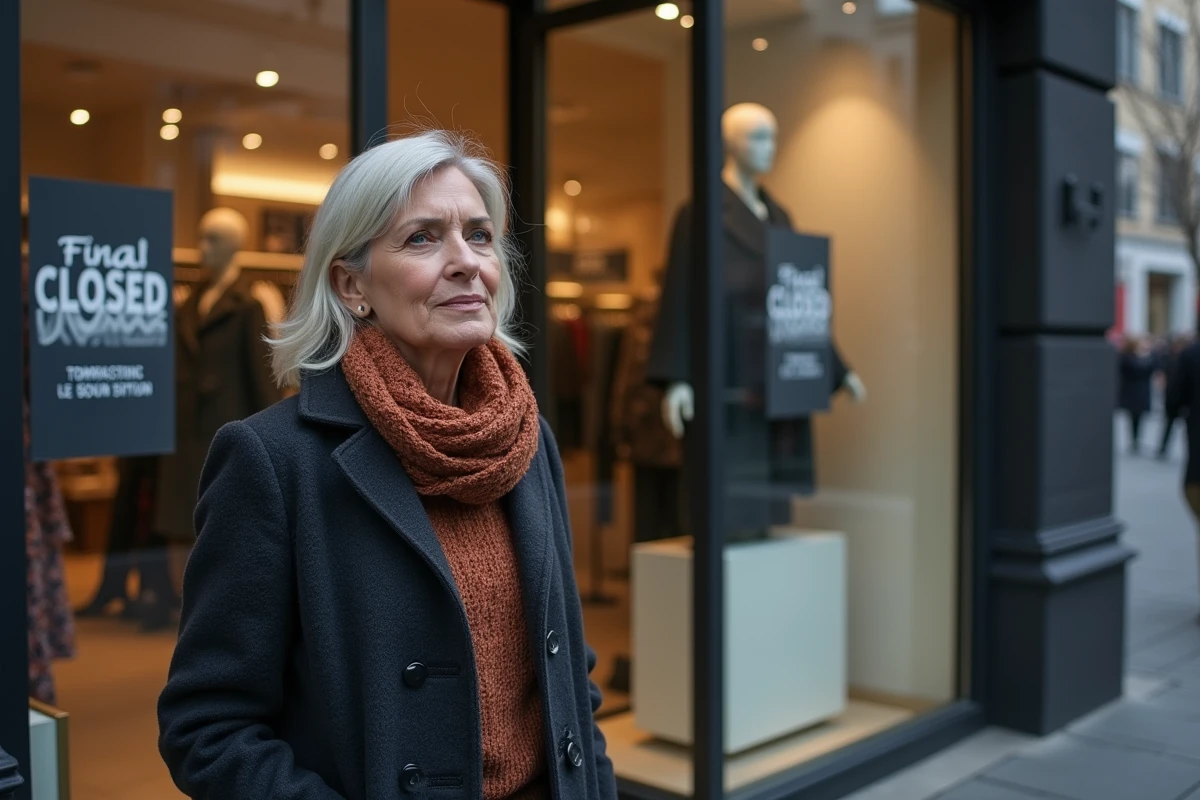
1,422 clothing stores are closing their doors, nearly 47,000 jobs have disappeared in ten years: the textile sector in 2024 looks nothing like what we once knew. Major brands and independent boutiques are falling one after the other. The figures leave no room for doubt.
On one side, long-established chains, on the other, younger labels: everywhere, the number of retail outlets is visibly declining. Financial results are deteriorating, customers are opting for different habits, and online sales are setting the pace. Some brands are attempting judicial recovery, others are resizing their networks, cutting jobs, and closing stores to limit the damage.
The ready-to-wear sector disrupted in 2024
No territory escapes the storm sweeping through clothing in France. This year, more than 1,400 stores and nearly 300 manufacturers in textiles, clothing, or leather have ceased operations. Each brand that shuts down takes a little life out of the neighborhood. Job losses are accumulating, predominantly affecting female positions, often part-time. The wave of closures impacts all profiles, all regions.
Judicial liquidations, recoveries, restructurings: the news continues to darken. Comptoir des Cotonniers, Princesse Tam Tam, San Marina, Minelli, Kaporal, Pimkie, Kookaï, Jennyfer, Burton of London, Claire’s, André… The list keeps growing, with each brand dragging along closed stores, reduced teams, and decimated divisions. Fast Retailing France is closing 55 boutiques and cutting more than 300 jobs, while C&A plans to close 24 stores and 57 corners.
Behind this carnage lies a multitude of causes: rising cost of living, exorbitant rents, increasing production costs, fierce competition from fast fashion and second-hand markets, weak online sales, persistent effects of the pandemic, and social movements. The fabric of small brands (often with fewer than three employees) remains on the front lines. The most modest households and women bear the brunt of the layoffs.
To make sense of it all, this list of clothing stores closing permanently compiles the affected brands and details the market difficulties in real-time. This overview reflects the brutality of the shock that is sweeping away an entire sector.
Which stores are closing permanently in 2024?
France has never seen so many storefronts extinguish so quickly. Year after year, the list of brands that fade away grows longer. Here, historic brands cease all activity; there, others reduce their presence to a bare minimum. Liquidations, recoveries, every category of stores is affected: ready-to-wear, shoes, accessories, major chains, and independents.
Some examples illustrate the severity of the shock: Comptoir des Cotonniers is abandoning 28 stores and cutting more than 100 jobs, Princesse Tam Tam is closing 27 boutiques and letting go of 84 employees. Pimkie, San Marina, Kaporal, Kookaï, Minelli, Jennyfer: with each announcement, a new social plan, new closures. IKKS is closing 77 points of sale, resulting in 200 job losses, while C&A continues its slimming down: 24 closures, over 300 jobs cut.
In the face of this cascade of disappearances, some buyers manage to limit the damage at certain sites: Beaumanoir absorbs Naf Naf, while Celio and Beaumanoir together take over some Jennyfer points of sale. For an accurate and updated status, the resource mentioned above continuously tracks the market.
Whether in the city center, in a shopping mall, or in a peripheral area, the commercial landscape is being redrawn painfully. The consequences are immediate: declining commercial dynamism, increased social precariousness, entire neighborhoods becoming less vibrant. Fast fashion reigns, the second-hand market is booming, and household budgets remain under pressure. Everywhere, shopping streets struggle to regain their liveliness.
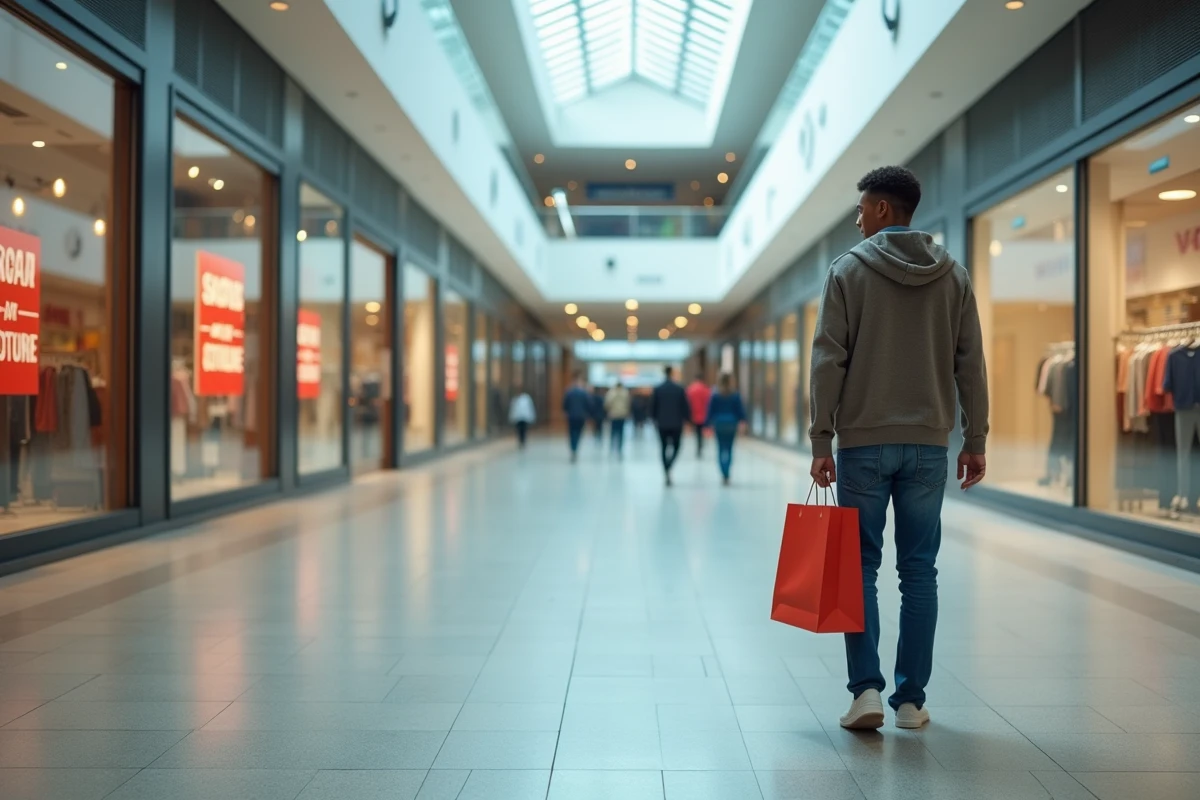
What is at stake behind the wave of closures: understanding the crisis and its repercussions
French clothing has never gone through such a period. Closures are occurring from one end of the country to the other. A simple glance at the shopping streets is enough to gauge the extent of the phenomenon: shutters down, windows empty on both sides of the sidewalk.
The context offers no respite. Pressure on purchasing power combines with the continuous rise in prices. The growing success of second-hand goods disrupts all habits. Commercial margins can no longer hold up against soaring costs and the lasting effects of Covid and social conflicts. Under these conditions, the smallest structures fall first: most of the business closures involve very small enterprises.
Shopping habits are also changing radically. Since 2013, nearly 47,000 jobs have evaporated in textiles, primarily positions held by women, often part-time. Even online commerce, which many had bet on, can no longer stem the tide.
Behind the financial results, the impact is tangible in daily life: streets have become silent, windows display their abandonment, familiar brands will not return. Employment protection plans are succeeding one another without managing to reverse the trend. Now, the sector has no choice but to invent a new model, or risk seeing an entire part of economic life and social ties collapse.