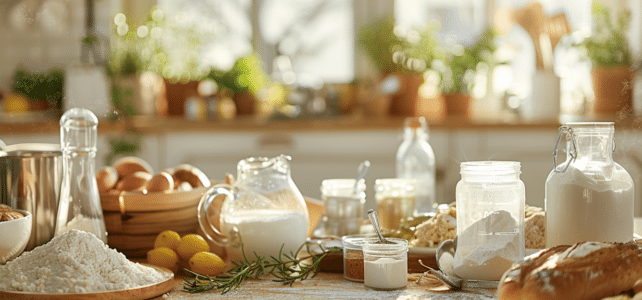
The conversion of measurements in cooking is fundamental to the success of recipes, especially when navigating between different metric systems or following instructions from various origins. Liquids, often measured in milliliters or cups, require precision and sometimes specific tools such as measuring cups. Solids, on the other hand, vary greatly in weight and volume, depending on their density and granularity, and are typically weighed in grams or measured in spoons or cups. Understanding equivalences and mastering the use of scales and measurements is therefore essential for any cook wishing to successfully adapt their recipes.
Mastering Measurement Conversions in Cooking: Liquids and Solids
LIQUID MEASUREMENTS: In the world of gastronomy, precision is key. For liquid ingredients, the range of measurements extends from the modest teaspoon (5 ml) to the more generous cup (250 ml). Familiarize yourself with the equivalences: a tablespoon is equivalent to 15 ml, while a quarter cup represents 65 ml. Remember that the conversion of 100 ml to g depends on the density of the liquid in question: for water, it is equivalent, but for denser liquids like milk or cream, the correspondence requires adjustments.
SOLID MEASUREMENTS: When it comes to solids, be aware that mass differs depending on the texture and compactness of the ingredient. A cup of flour may weigh around 150 g, while an ounce converts to 28 g. Mastering these conversions is imperative for correctly interpreting recipes, especially when juggling between ounces, grams, and kilograms.
Weight and volume conversions: Culinary art requires a deft handling of different units of measurement. One kilogram equals 1000 g, while one liter consists of 1000 ml. This logic holds in subdivisions: a deciliter (100 ml), a centiliter (10 ml), and so on. Understand these ratios to facilitate the conversion between masses and volumes, and easily adapt your recipes to the constraints of international measurements.
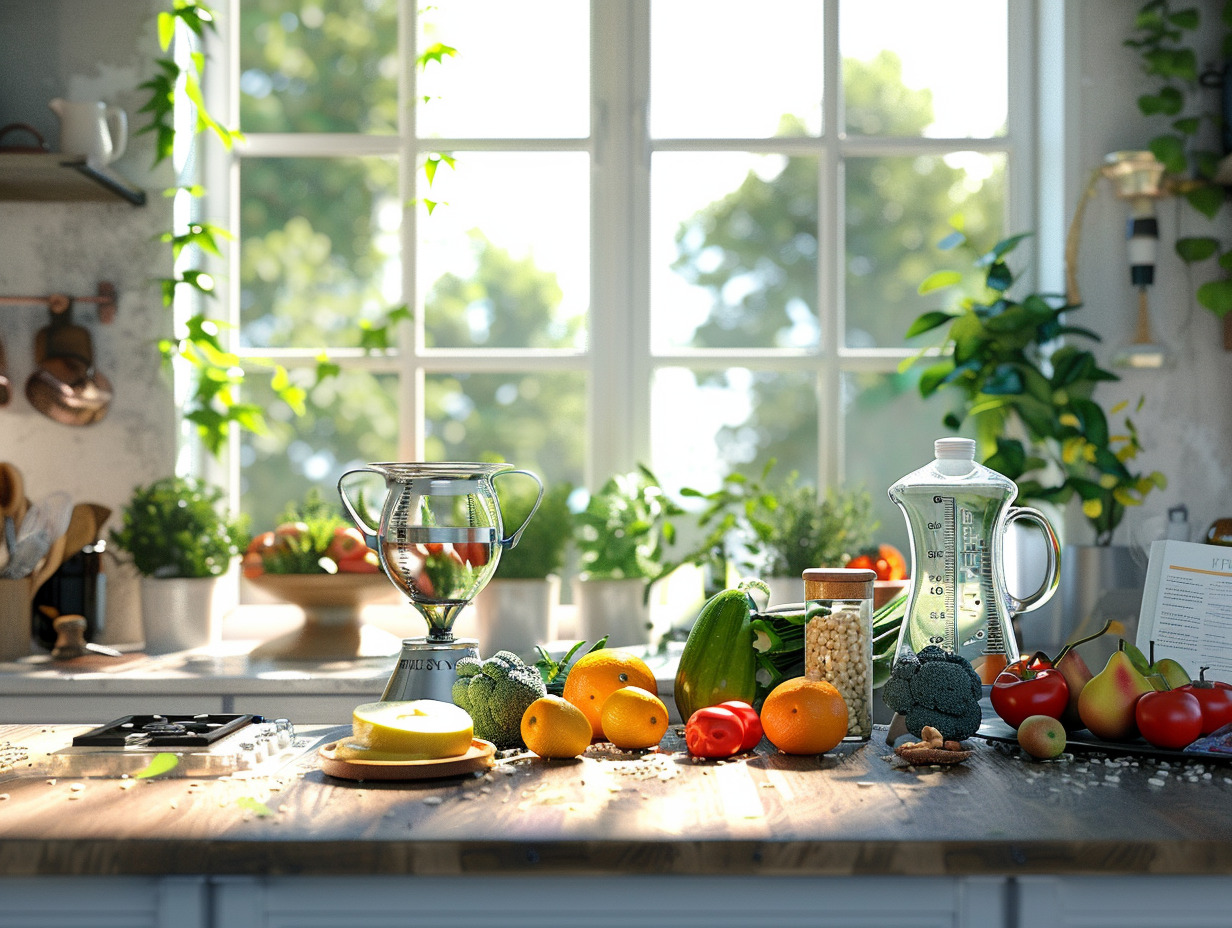
Techniques and Tips for Measuring Without Error
Understanding Oven Heat: The success of a recipe often requires precise oven cooking, where temperatures play a crucial role. Master the correspondence between Fahrenheit and Celsius: 150°F is equivalent to 70°C, and 350°F to 180°C. Pay attention to cooking recommendations and adjust according to the required heat, from low (200°F/100°C) to very hot (500°F/260°C). Follow these guidelines to avoid the pitfalls of improper cooking.
Optimal Use of Dairy Products: In the variety of creams and milks, each type adapts to specific uses. For a light coffee, opt for a blend of cream and milk at 5%. The 35% country cream is ideal for cooking that requires good stability against alcohol or wine. The fresh cream, with its rich texture, enhances the flavors of many dishes. Understanding these nuances allows you to harmonize the textures and tastes of your culinary creations.
Temperature Conversions: Keep a conversion chart for temperatures handy. It will facilitate the transition between Celsius (°C) and Fahrenheit (°F), and guide you in selecting the appropriate temperature from very low (150°F) to very hot (500°F). This information is crucial for anyone looking to achieve even cooking that meets recipe requirements.
The Measurement Converter, an Unfailing Ally: Use digital tools to convert spoons to cups, or ounces to grams with agility. These converters provide valuable assistance when adapting recipes from one measurement system to another. They help avoid errors that could compromise the expected outcome and ensure fidelity to the original measurements.