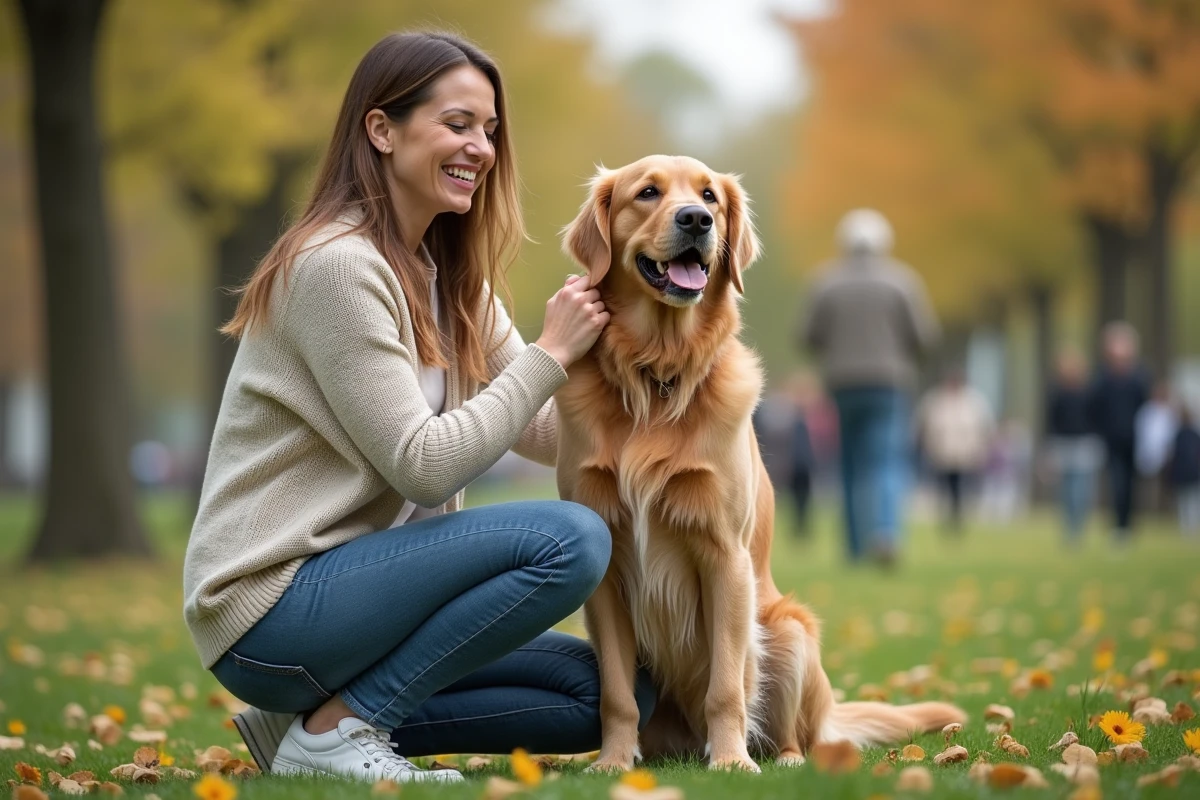
An energetic Dachshund may demand twice as many walks as a placid Great Dane. This is a fact that challenges preconceived notions: the size of the dog does not always dictate its level of activity. Behind each breed, breeding histories where rules vary, sometimes from country to country, shape temperaments and needs that cannot be improvised. Nutrition, too, follows genetics more than trends or appearance: a spaniel and a bulldog will not have the same menu, even if they share the same living room.
Choosing your four-legged companion is not simply giving in to a crush in front of a photo or a size. What matters are the small details that change everything: habits, health, ways of learning or reacting. Each breed brings its own surprises, challenges, and different joys, shaping family life on a daily basis, much more than one might imagine at first glance.
Understanding the diversity of dog breeds and their characteristics
The extraordinary palette of dog breeds reflects a long shared history with humans and the work of passionate breeders. Today, the International Canine Federation lists over 340 breeds divided into distinct groups. Behind each category, herding dogs, hunting dogs, companion dogs, lie well-defined physical and psychological profiles. We are not just talking about size or color: each dog breed has its temperament, its own intelligence, and its ways of interacting with its human family.
A Golden Retriever embodies gentleness, the result of patient selection work in England to make it a reliable, affectionate, and balanced partner. On the opposite end, the Border Collie is bursting with energy, always ready to learn, run, and work: it is an athlete that cannot stand boredom. The rankings of the International Canine Federation are not random: each breed is studied according to its origins, abilities, and physical specificities. Some lines, designed for guarding or hunting, are now adapting to family life without losing their uniqueness.
To explore the differences in depth, dog breed profiles offer a wealth of information on health, character, and the specific needs of each animal. Explore the Animal Passion website to go further, with solid advice, detailed analyses, and up-to-date data, to better understand what makes each dog unique and the relationship with it so precious.
How to choose the dog breed that truly fits your lifestyle?
A dog should not be chosen lightly or from a catalog. Each dog breed has been shaped by generations of breeders according to specific criteria that dictate its needs and behavior. Before adopting a purebred dog, it is better to honestly examine your lifestyle, desires, and the time you can dedicate to your future companion. Some dogs have a vital need to expend energy, while others can handle apartment life without batting an eye.
Here are some guidelines to help you make your choice and find the right balance:
- Dog: choosing the breed suited to the space: If you live in the city, prioritize a small space dog breed known for its adaptability and calm temperament. Large dogs, often from working lines, find their place better in a house with a garden.
- Physical activity and temperament: Not all dogs have the same need for movement. A Border Collie craves challenges and exercise, while some companion breeds prefer tranquility. Adapting the breed choice to your activity level becomes a true guarantee of shared well-being.
- Dog health and hereditary diseases: Dog breed profiles detail the vulnerabilities of each line. Some breeds require careful veterinary monitoring or a dog health insurance designed for their specificities.
Associations and shelters are valuable for guiding you to the dog suited to your lifestyle. Relying on the experience of professionals, comparing profiles, studying health and behavior, and considering compatibility with other animals in the home if you already share your daily life with a cat or another dog is key to building a harmonious coexistence. Adopting is committing with knowledge, with clarity and respect for the animal.
Tips and tricks for welcoming and raising your dog daily
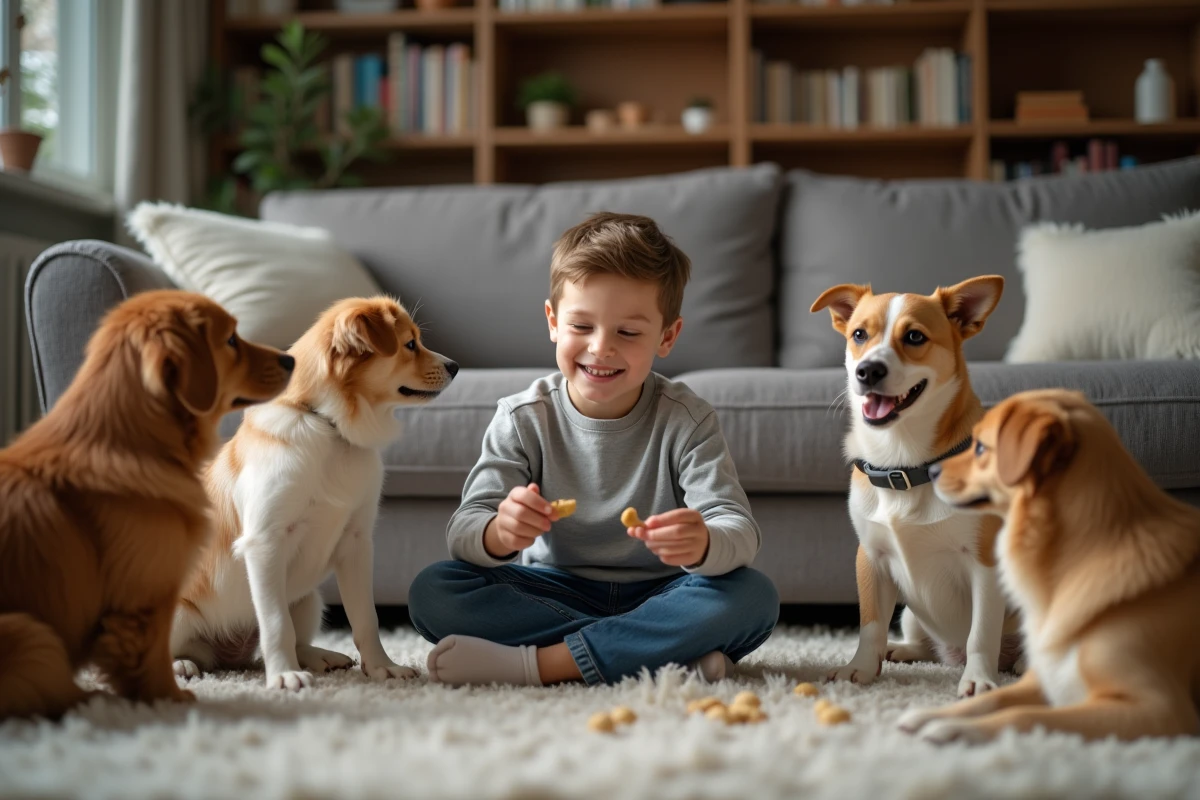
The arrival of a puppy or an adult dog at home is not improvised. From the start, you need to think about providing it with its own space: a comfortable bed, well-placed bowls, and a few toys to keep it occupied. This environment reassures, facilitates integration, and conditions its future behavior. The dog observes, tests, adapts. Consistency in organization helps it find its place.
The dog’s education begins from the first days. Establishing clear rules, without ever resorting to harshness, is the best way to teach it to live peacefully with you. Reward good behaviors, ignore missteps, and be patient: repetition and kindness are at the heart of learning. A well-educated dog promises a reliable, calm companion, appreciated by all.
Some simple habits to implement help structure daily life:
- Establish routines: regular walks, stable meal times, shared playtime to strengthen the bond.
- Increase stimulation: alternate urban walks with nature outings, organize meetings with other animals, and refresh toys to spark curiosity.
- Monitor the dog’s health: adhere to the vaccination schedule, consider deworming, plan veterinary visits, and adjust the diet according to age and breed.
Observing your dog means reading its postures, looks, and barks. A well-adjusted animal shows curiosity, a desire to share, but also knows how to settle down and rest. Building this relationship requires daily investment, with consistency and respect, to provide your dog with true balance, lasting security, and the chance to thrive alongside you.